Residential
Uninterrupted Power for Your Home
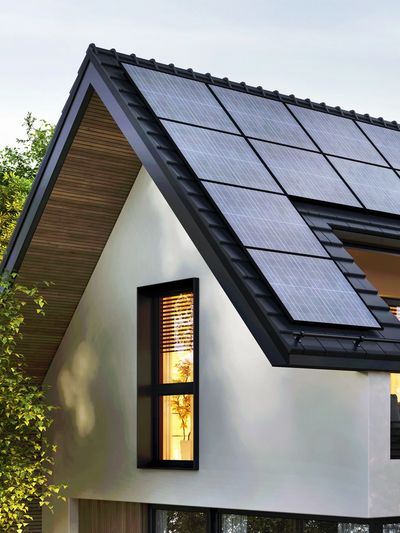
A residential solar power system relies on a network of core hardware components working together to capture, convert, and manage electricity for your household.
Primary System Components
- Solar Photovoltaic (PV) Panels: Mounted on the roof or ground to absorb sunlight and convert solar energy into Direct Current (DC) electricity.
- Solar Inverter: The "brain" of the system that converts DC power generated by the panels into Alternating Current (AC) electricity used by home appliances and the power grid.
- String Inverters: A central unit connected to a series of panels.
- Microinverters: Small inverters attached directly behind each individual panel to optimize output.
- Hybrid Inverters: Manages power flow between panels, home loads, battery storage, and the grid simultaneously.
- Racking & Mounting System: Heavy-duty aluminum rails and brackets that physically secure panels to roof structures (corrugated metal, tile, or concrete) against strong winds and severe weather.
- Battery Energy Storage System (BESS) [Optional]: Rechargeable batteries (typically Lithium Iron Phosphate / LiFePO4) that store excess daytime solar power for night use or automatic emergency power during brownouts.
- Balance of System (BOS) Hardware: Electrical safety equipment, including DC/AC disconnect switches, circuit breakers, surge protectors, cabling, and conduits that route electricity safely through your home breaker panel.
- Monitoring System & Mobile App: Hardware and cloud software integrated into the inverter that tracks real-time power production, energy consumption, and battery status on a smartphone or computer.

Announcement
Lower Your Monthly Electric Bills: Start generating clean, free electricity from your roof.